









A Conversation with Shelli Brunswick – Secretary General, Global Women Leaders Committee – World Business Angels Investment Forum
We are entering a new era of global innovation—one shaped not only by emerging technologies but by the leadership systems that determine who participates in building the future economy. Around the world, entrepreneurship is becoming the engine of economic growth, yet millions of talented innovators still lack access to the capital, networks, and visibility needed to scale their ideas. Expanding access to entrepreneurship ecosystems is essential for unlocking the full potential of global innovation and economic growth.
Shelli Brunswick, newly elected Secretary General of the Global Women Leaders Committee (GWLC) at the World Business Angels Investment Forum (WBAF), is working to change that reality. A global strategist, author, and keynote speaker, Brunswick operates at the intersection of leadership, innovation, and the emerging technology economy.
In this conversation, she shares her journey with WBAF, her vision for empowering women entrepreneurs worldwide, and why leadership—not technology—will ultimately determine how innovation shapes our future.
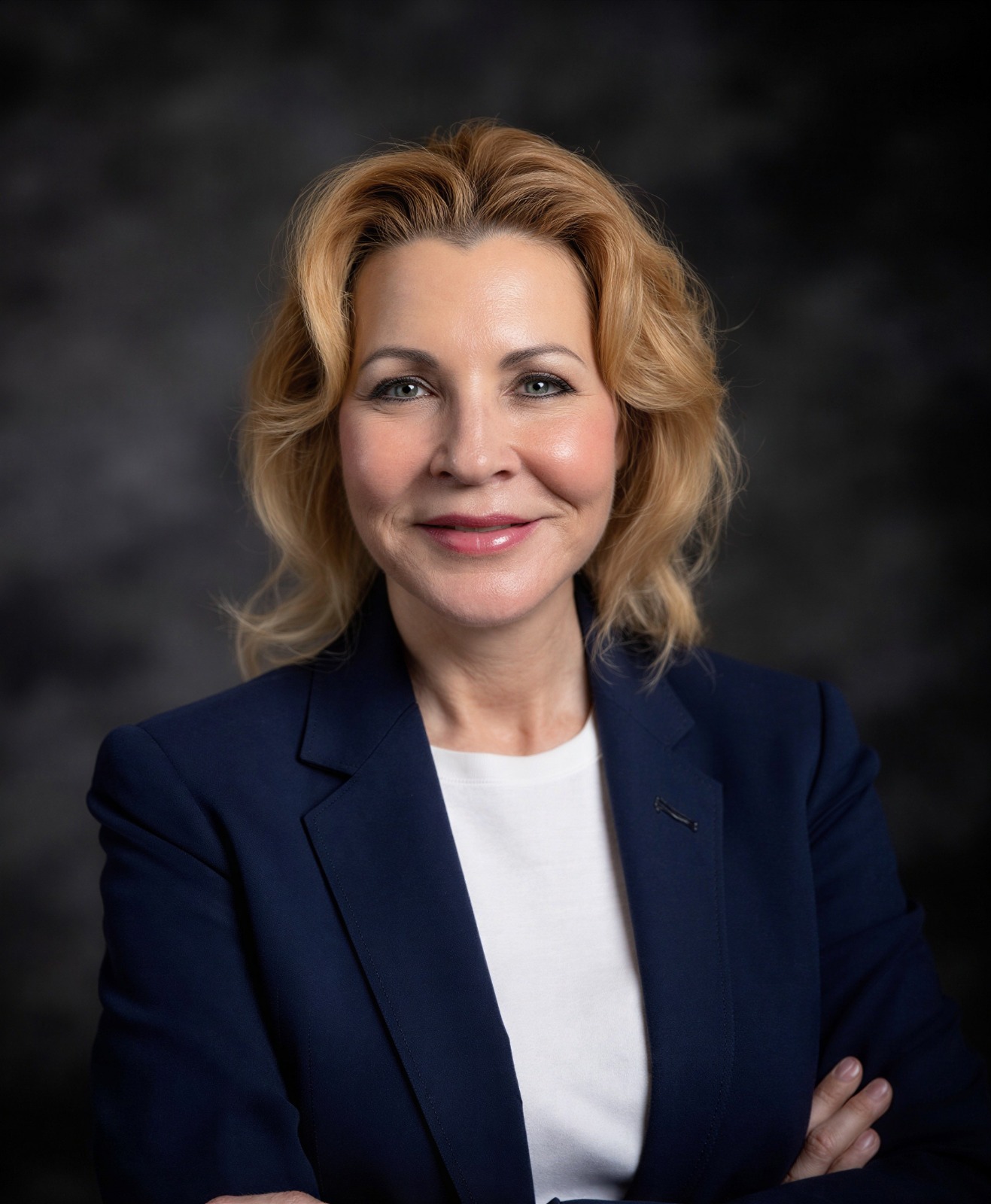 Tell us a little about yourself and your work.
I am the CEO and Founder of SB Global LLC, a global strategy and advisory firm focused on leadership, innovation, and emerging technologies. Over the course of more than three decades, my career has spanned public service, executive leadership, education, and global advisory roles.
My work centers on one fundamental challenge: innovation is advancing faster than leadership systems and institutions can adapt. Through a framework I call the Space Mindset, I help leaders, entrepreneurs, and institutions apply systems thinking, long-term vision, and collaboration to navigate complexity and turn ideas into meaningful impact.
These ideas are explored in my What’s Space Got to Do With It? book series, which examines how lessons from the space ecosystem can help leaders navigate complexity and build resilient innovation systems here on Earth.
At its core, my work is about broadening participation in innovation—ensuring that leadership and opportunity are not limited by geography or background.
You have been involved with the World Business Angels Investment Forum (WBAF) for several years. How did that journey begin?
My journey with the WBAF began nearly five years ago when I joined as a Senator representing the United States. WBAF brings together leaders from across government, finance, entrepreneurship, and academia who share a commitment to expanding access to investment and entrepreneurial communities.
Over the past several years, I have had the privilege of contributing to several initiatives within the GWLC, including leading subcommittees focused on entrepreneurship programs, incubators and accelerators, and leadership development initiatives.
Serving in these roles provided a powerful perspective on how collaboration across countries and sectors can accelerate economic opportunity. It reinforced something I have long believed—that thriving entrepreneurial landscapes emerge when leaders intentionally connect capital, knowledge, and global markets.
You were recently elected Secretary General of the Global Women Leaders Committee. What does this role mean to you?
It is a tremendous honor and responsibility. I am deeply grateful to Chairman Baybars Altuntaş and the members of WBAF for their trust.
I would also like to recognize Lucy Chow for her exceptional leadership as Secretary General over the past five years. Her work built the committee into a vibrant global network of leaders, entrepreneurs, policymakers, and innovators.
I would also like to share that Senior Senator Deborah Walliser of Namibia will serve as Deputy Secretary General of the GWLC. Deborah brings significant experience in entrepreneurship development and strengthening entrepreneurial networks across Africa, and I look forward to working closely with her as we continue expanding the committee’s global collaboration and impact.
My goal is to build upon that strong foundation while expanding the committee’s role as a global platform for collaboration across regions, industries, and the innovation economy.
The GWLC is uniquely positioned to bring together leaders from business, policy, investment, and philanthropy to address one of the most important challenges of our time—ensuring women can fully participate in entrepreneurship, capital markets, and global innovation ecosystems.
For readers who may not be familiar, what is the mission of the Global Women Leaders Committee?
The Global Women Leaders Committee exists to ensure that women are not only participants in the global economy but also architects of its future—shaping entrepreneurship, investment, and innovation worldwide.
It brings together an international group of founders, investors, policymakers, and mentors working collaboratively to strengthen the global environment for entrepreneurship.
Operating within the broader mission of WBAF, the committee contributes to efforts that expand access to smart finance, support startups and scaleups, and strengthen the global investment climate.
Our work focuses on helping women-led startups, small and medium-sized enterprises (SMEs), and high-growth businesses connect with capital, mentorship, and global partnerships.
Through collaboration across sectors, including government, investment leaders, and international organizations, we shape regional and global agendas that strengthen inclusive economic growth.
WBAF is affiliated with the G20 Global Partnership for Financial Inclusion. Why is that connection important?
That affiliation is incredibly important because it places entrepreneurship and financial inclusion within a broader global policy framework.
The G20 Global Partnership for Financial Inclusion focuses on ensuring that entrepreneurs and small businesses—particularly those who have historically had limited access—can participate fully in financial systems.
Through WBAF’s collaboration with the G20, the Global Women Leaders Committee contributes to conversations that influence global policy and investment priorities.
Our work supports initiatives that encourage more women to become entrepreneurs, investors, and leaders.
When women gain access to capital, networks, and mentorship, the impact extends far beyond individual businesses—entire communities and economies benefit.
What is your vision for the future of the Global Women Leaders Committee?
Entrepreneurship is more than an economic activity—it is infrastructure for progress. When women entrepreneurs gain access to capital, mentorship, and global markets, they do not simply build companies—they strengthen communities and open new pathways for economic growth.
My vision is for the Global Women Leaders Committee to serve as a catalyst for that transformation—bringing together leaders, investors, policymakers, and entrepreneurs across regions to expand women’s participation in the innovation economy.
Around the world, extraordinary women are building companies, launching technologies, and solving complex global challenges. Yet many still face structural barriers to capital, mentorship, and access to international markets. Removing these barriers is essential if we want innovation to reflect the full breadth of global talent.
Looking ahead, our work will focus on three priorities.
First, we aim to deepen collaboration by connecting incubators, accelerators, universities, investors, and founders across regions. Innovation advances most rapidly when ideas, capital, and talent move across borders.
Second, we want to elevate the visibility and influence of women founders and investors who are shaping the future. Representation matters for expanding who participates in building the next generation of global companies.
Third, we are committed to strengthening leadership pathways that help emerging entrepreneurs access mentorship, international partnerships, and investment—while also encouraging more women to participate on the investment side as angel investors and venture partners.
When women participate fully in entrepreneurship and investment, innovation becomes more resilient, more inclusive, and better equipped to address the challenges of our time. That is the future we are working to build together.
What message would you like to share with entrepreneurs and leaders around the world?
Innovation will not be defined solely by technology—it will be defined by leadership.
The most important question we face is not simply what we can build, but how we build systems that allow more people to contribute to progress.
When we expand access to opportunity, empower diverse voices, and create environments where collaboration thrives, innovation becomes a shared global capability.
That is the future we must build—together.
The leaders who will shape the next decade will be those who recognize that real progress comes from connecting people, ideas, and opportunity across borders—and building systems where innovation can flourish everywhere.
Shelli Brunswick is the CEO and Founder of SB Global LLC and serves as Secretary General of the Global Women Leaders Committee at the World Business Angels Investment Forum (WBAF). A globally recognized strategist, author, and keynote speaker, she works at the intersection of leadership, innovation, and emerging technologies. Through her advisory work, speaking engagements, and publications—including the What’s Space Got to Do With It? book series—she helps leaders and institutions translate complex technological change into practical pathways for growth and global competitiveness.